Finishes Can Be Changed. Quality Cannot.
Finishes Can Be Changed. Quality Cannot.
Before you judge a piece of furniture by its finish, take a look underneath.
Have you ever walked past a piece of furniture because the finish was scratched, the stain looked dated, or the paint color just wasn't your style?
Most people do.
It's one of the biggest mistakes I see, and it's completely understandable. The finish is the first thing we notice. It's what catches our eye, for better or worse. But after restoring thousands of pieces over the years, I've learned that the finish is often the least important part of the furniture.
What matters is what's underneath.
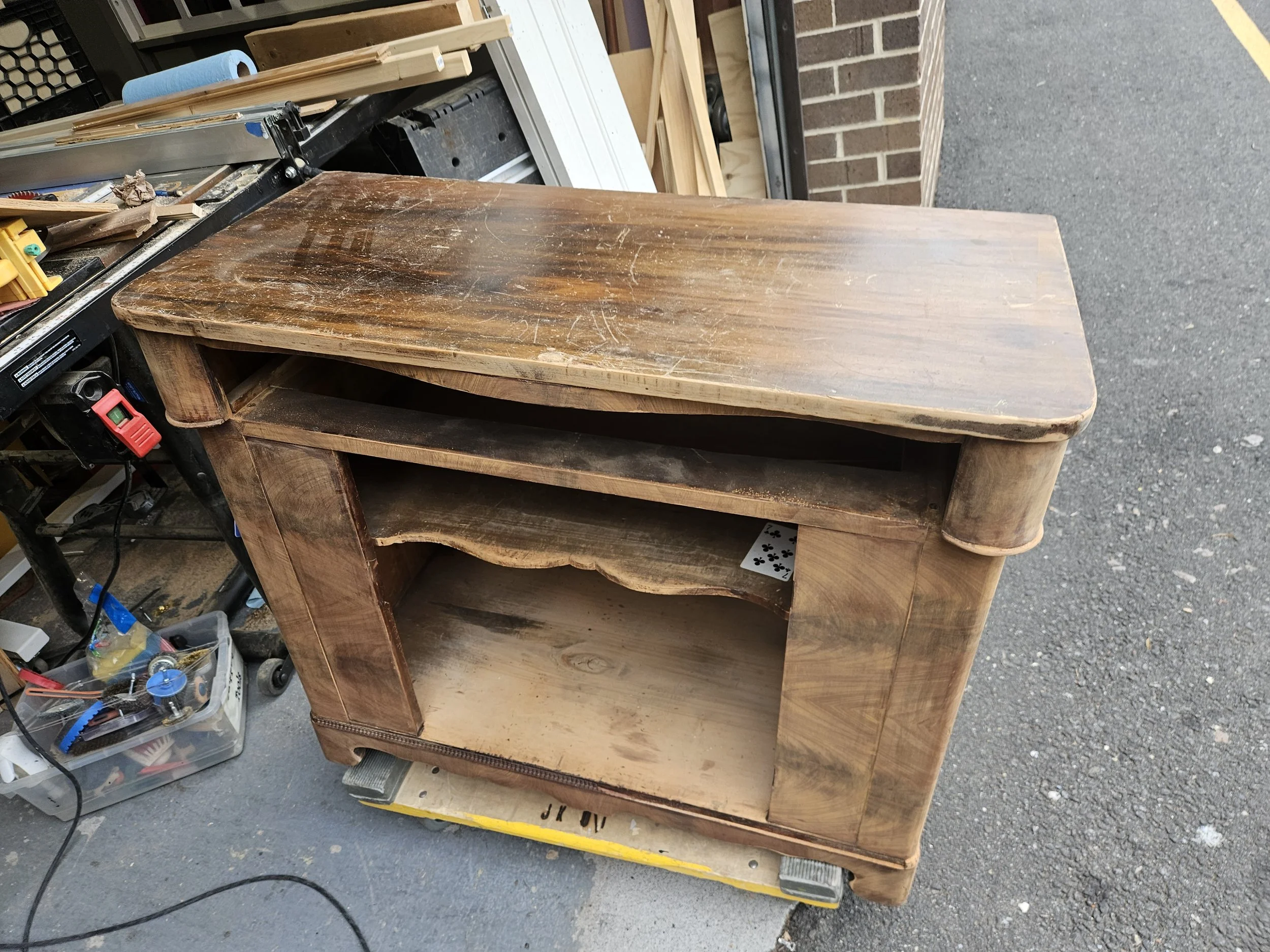
The Finish Is Only Skin Deep
A finish is surprisingly easy to change.
Paint can be stripped. Stain can be replaced. Scratches can often disappear. Hardware can be updated. Even chipped veneer can sometimes be repaired so well that you'd never know it was damaged.
What can't be added later is quality.
Solid hardwood doesn't magically appear because a piece has been repainted. Strong joinery can't be created with a coat of paint. Well-proportioned design and thoughtful craftsmanship aren't something you can buy in a can.
That's why I tell customers all the time:
Finishes can be changed. Quality cannot.
What I Look For First
When someone asks if a piece is worth saving, I rarely look at the color first.
Instead, I ask myself a few questions.
Is it solid wood?
Solid hardwood furniture has a completely different feel than furniture made primarily from particle board or thin composites. It tends to be heavier, stronger, and much more repairable.
That doesn't mean every solid wood piece is valuable, but it's usually a good place to start.
How was it built?
I look for dovetail drawers, mortise-and-tenon joints, sturdy drawer construction, quality hardware, and signs that someone actually cared about the details.
Those details tell the story of how the piece was made.
Is the design timeless?
Some finishes become dated.
Good proportions rarely do.
I've painted countless pieces that looked tired and old, only to reveal beautiful lines that fit perfectly in today's homes.
Is it repairable?
Loose joints, worn finishes, broken drawer guides, damaged veneer, and missing hardware can often be repaired.
Structural problems aren't always deal breakers.
Poor construction usually is.
Does it deserve another generation?
Some furniture was built to last fifty or one hundred years.
Some was built to last until the warranty expired.
One of the greatest joys of my work is helping customers preserve pieces that still have decades of life left in them.
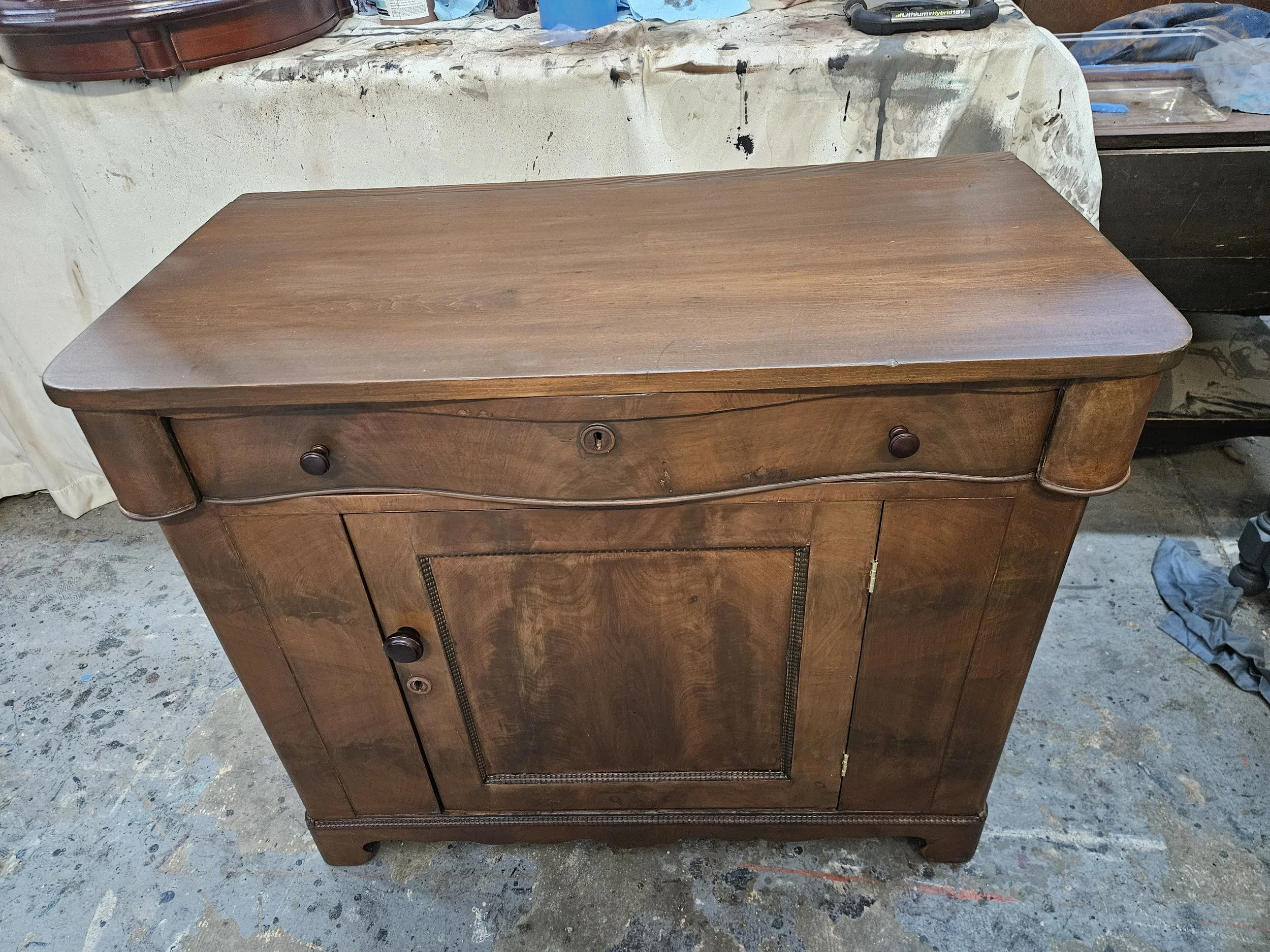
A Different Way to Shop
The next time you're shopping for furniture, whether it's in an antique store, an estate sale, an auction, or even your grandmother's basement, try looking past the finish.
Instead, ask yourself:
"If I could choose any finish I wanted, would I still love this piece?"
If the answer is yes, you've probably found something worth considering.
More Than Furniture
Furniture Rescue has never been about painting furniture.
It's about recognizing quality, preserving craftsmanship, and helping well-made pieces continue serving another family for years to come.
Beautiful finishes are important.
But they're the finishing touch, not the foundation.
Because in the end, finishes can be changed.
Quality cannot.